The autumnal equinox, also known as the September equinox, marks the astronomical start of fall in the Northern Hemisphere. It occurs when the Sun crosses the celestial equator, moving from the Northern Hemisphere to the Southern Hemisphere. The term “equinox” comes from the Latin words “equi” (equal) and “nox” (night), signifying the day when the length of day and night are approximately equal.
In the Northern Hemisphere, the September equinox typically falls around September 22 or 23. In 2025, the autumnal equinox will occur on Monday, September 23rd, at 04:30 Universal Time (UTC). Different time zones will observe the equinox at varying local times.
The autumnal equinox holds cultural and symbolic significance in various societies. It marks the changing seasons, bringing cooler temperatures and shorter days. In many cultures, it is associated with the harvest and the transition from summer to winter.
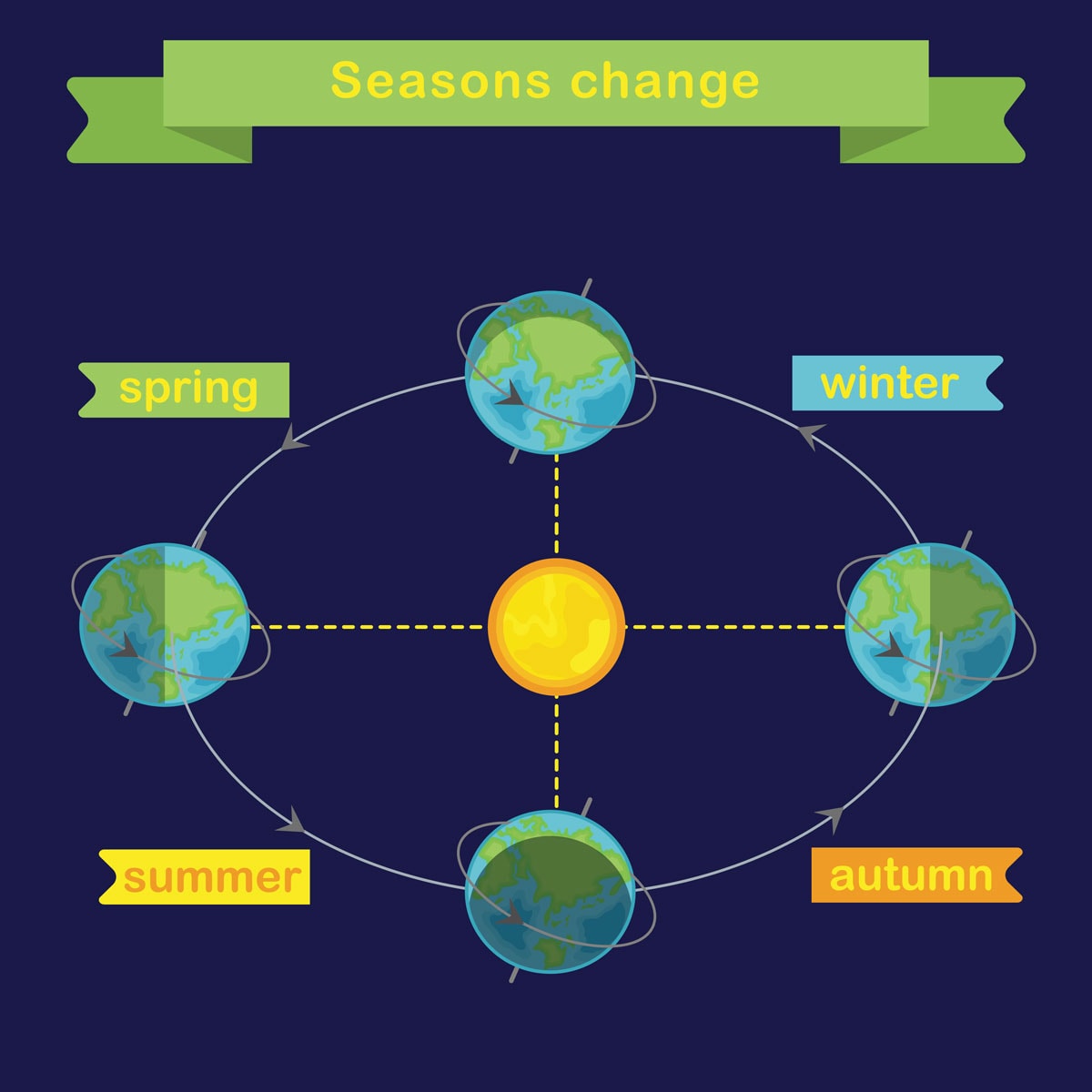
The autumnal equinox, or September equinox, marks the astronomical start of fall in the Northern Hemisphere. It occurs when the Sun crosses the celestial equator, moving from the Northern Hemisphere to the Southern Hemisphere.

The autumnal equinox is a significant astronomical event that marks the transition from summer to fall. It is a time of natural beauty and change, as the leaves turn vibrant colors and the days grow shorter.

The autumnal equinox in 2025 will occur on Monday, September 23rd, at 04:30 Universal Time (UTC). Different time zones will observe the equinox at varying local times.

The autumnal equinox marks the moment when the Sun crosses the celestial equator, moving from the Northern Hemisphere to the Southern Hemisphere. This astronomical event signifies the equal length of day and night all over the world.

In the Northern Hemisphere, the autumnal equinox is considered the astronomical start of fall. As the Earth continues its orbit around the Sun, the days will gradually grow shorter and the nights longer.

The autumnal equinox symbolizes the transition from summer to fall. It is a time when the leaves of deciduous trees begin to change color and fall, signaling the arrival of cooler temperatures and shorter days.
The autumnal equinox holds cultural and symbolic significance in many societies. It is often associated with the harvest and the preparation for winter. Various cultures celebrate the equinox with festivals and events.
The autumnal equinox is a significant astronomical event that marks the changing seasons and the transition from summer to fall. It is a time of beauty and change, both in nature and in our cultural traditions.

The autumnal equinox in 2025 will occur at 04:30 Universal Time (UTC). UTC is the primary time standard by which the world regulates clocks and time. It is based on the mean solar time at the Greenwich meridian in England.

UTC is the successor to Greenwich Mean Time (GMT). It was introduced in 1972 to provide a more precise and stable timekeeping system. UTC is now the basis for civil time in most countries around the world.
UTC is based on the International Atomic Time (TAI) scale, which is maintained by the International Bureau of Weights and Measures (BIPM). TAI is the most accurate timekeeping system available, based on the natural vibrations of cesium atoms.
The world is divided into 24 time zones, each of which is one hour apart. UTC is the basis for all time zones, and local times are calculated by adding or subtracting a certain number of hours from UTC.
Many countries observe daylight saving time (DST) during the summer months. DST involves advancing clocks by one hour, so that more daylight hours fall during the evening. The autumnal equinox marks the end of DST in many countries, when clocks are turned back one hour.
Understanding the concept of UTC is important for accurately determining the time of the autumnal equinox in different parts of the world. Time zones and daylight saving time can affect the local time of the equinox, so it is essential to refer to UTC for the precise astronomical moment.
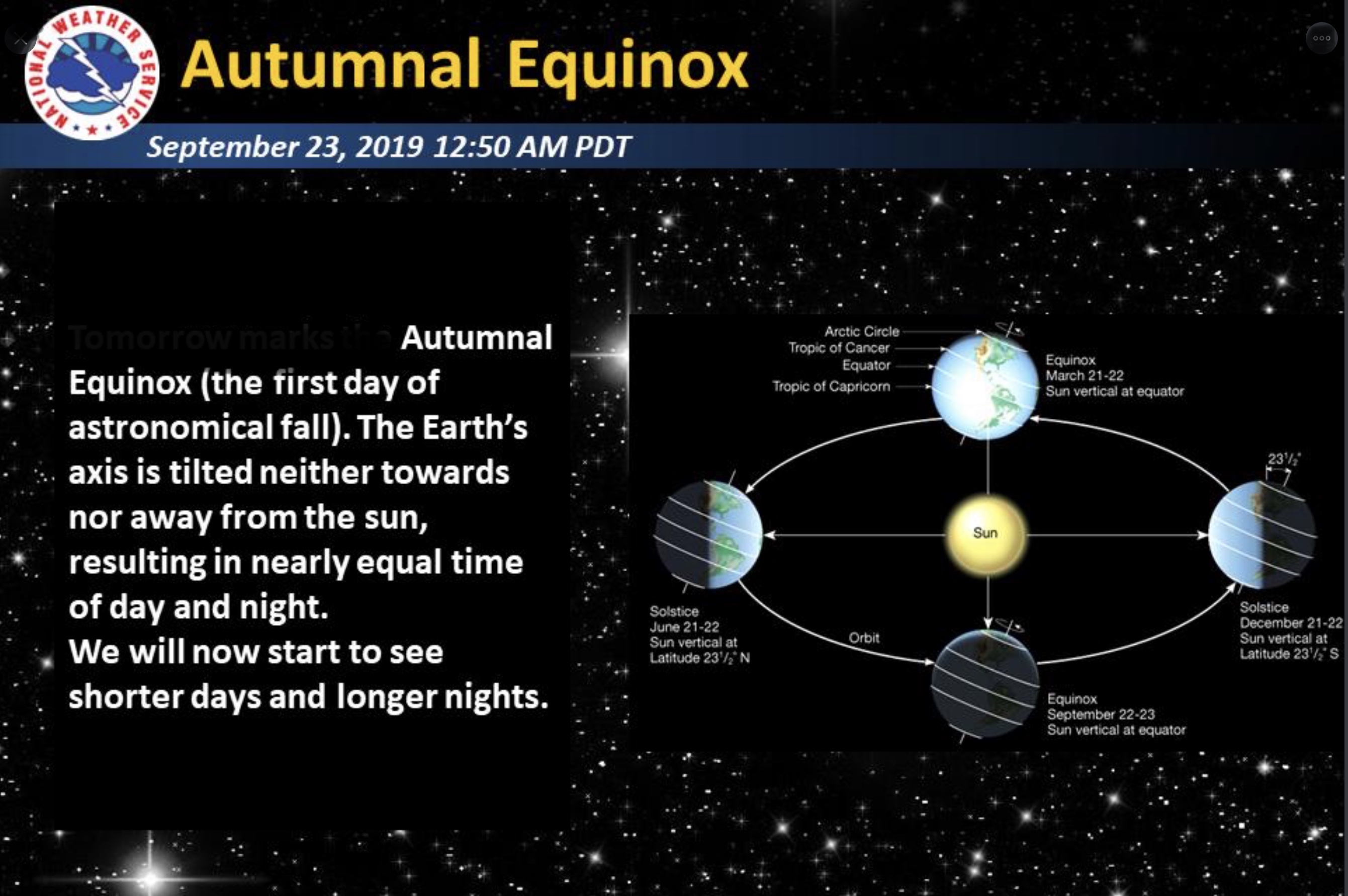
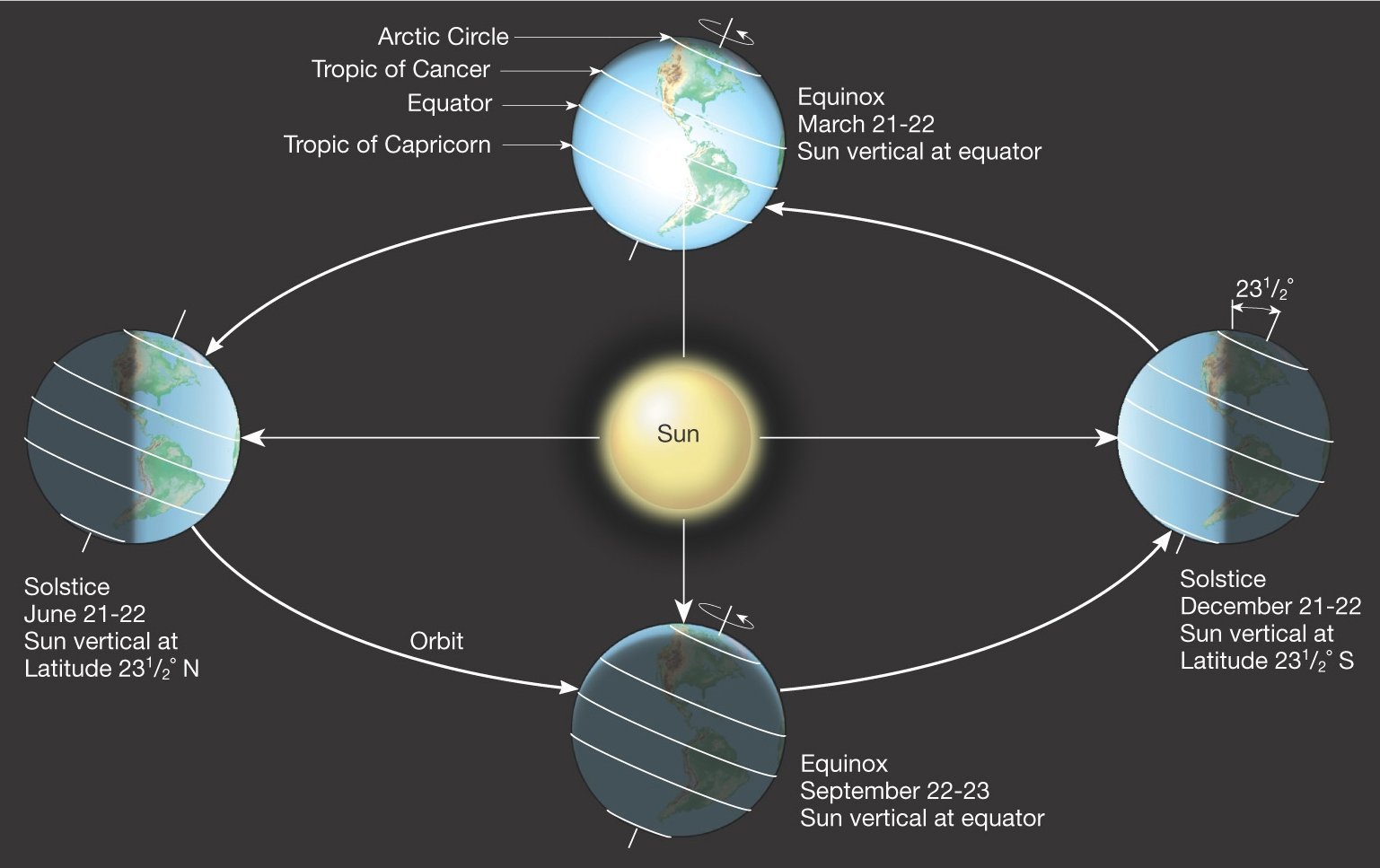
The autumnal equinox is characterized by the equal length of day and night all over the world. This occurs because the Earth’s axis is tilted neither towards nor away from the Sun.
The Earth’s axis of rotation is tilted at an angle of approximately 23.5 degrees. This tilt causes the different seasons as the Earth orbits the Sun throughout the year.
During the equinoxes, the Earth’s axis is not tilted towards or away from the Sun. As a result, the Sun’s rays fall directly on the Earth’s equator, and the day and night are of equal length everywhere on the planet.
On the autumnal equinox, the Sun rises due east and sets due west. The duration of daylight is approximately 12 hours at all latitudes.
The equal length of day and night during the equinoxes has symbolic significance in many cultures. It represents a time of balance and harmony between light and darkness.
The autumnal equinox is a reminder of the Earth’s dynamic relationship with the Sun and the changing seasons. It is a time to appreciate the beauty and balance of nature.
The autumnal equinox marks the astronomical start of fall in the Northern Hemisphere. It is a time of transition, as the days grow shorter and the nights longer. The changing seasons bring about beautiful foliage, crisp air, and a sense of renewal.
As the Earth orbits the Sun, the Northern Hemisphere gradually tilts away from the Sun. This causes the Sun’s rays to strike the Northern Hemisphere at a lower angle, resulting in shorter days and cooler temperatures.
The autumnal equinox is a reminder that the seasons are constantly changing. It is a time to reflect on the past and look forward to the future. It is also a time to enjoy the beauty of the changing landscape and the abundance of nature’s harvest.
In many cultures, the autumnal equinox is celebrated with festivals and traditions. These celebrations often involve giving thanks for the harvest and preparing for the coming winter. The autumnal equinox is a time of both reflection and celebration, as we embrace the changing seasons and the beauty of the natural world.
The autumnal equinox is a potent symbol of the changing seasons. It marks the transition from the warm, sunny days of summer to the cooler, shorter days of fall. The changing seasons are a reminder of the Earth’s dynamic relationship with the Sun and the natural cycles of life.
The autumnal equinox is a time of reflection and renewal. It is a time to let go of the old and embrace the new. It is also a time to appreciate the beauty of the changing landscape, as the leaves turn vibrant hues of red, orange, and yellow.
In many cultures, the autumnal equinox is celebrated with festivals and traditions. These celebrations often involve giving thanks for the harvest and preparing for the coming winter. The autumnal equinox is a time to come together as a community and celebrate the changing seasons.
The autumnal equinox is a reminder that change is a constant in life. It is a time to embrace the beauty of the changing seasons and to reflect on our own personal growth and transformation.
The autumnal equinox has long been associated with the harvest. In many cultures, the autumnal equinox marks the beginning of the harvest season. This is a time when farmers gather their crops and prepare for the coming winter.
The autumnal equinox is a time of abundance. The fields are full of ripe fruits and vegetables, and the trees are laden with nuts and berries. This abundance is a reminder of the Earth’s bounty and the importance of agriculture.
In many cultures, the autumnal equinox is celebrated with harvest festivals. These festivals are a time to give thanks for the harvest and to celebrate the changing seasons. Harvest festivals often involve feasting, dancing, and music.
The autumnal equinox is a reminder of our connection to the land and the importance of food. It is a time to celebrate the harvest and to reflect on the abundance of nature.
The autumnal equinox marks the transition from summer to winter. This is a time of significant change, as the days grow shorter and the nights longer. The changing seasons are a reminder of the Earth’s orbit around the Sun and the cyclical nature of life.
The autumnal equinox is a time of both beauty and sadness. It is a time to enjoy the beauty of the changing landscape, as the leaves turn vibrant hues of red, orange, and yellow. It is also a time to reflect on the passing of summer and the coming of winter.
The autumnal equinox is a time to prepare for the coming winter. This may involve gathering firewood, stocking up on food, and preparing your home for the cold weather. It is also a time to reflect on the past year and to set intentions for the year to come.
The autumnal equinox is a reminder that change is a constant in life. It is a time to embrace the changing seasons and to reflect on our own personal growth and transformation.
The autumnal equinox is celebrated with festivals and events around the world. These celebrations often involve giving thanks for the harvest and preparing for the coming winter. Autumnal festivals also often feature music, dancing, and feasting.
The Mid-Autumn Festival is one of the most important holidays in Chinese culture. It is celebrated on the 15th day of the 8th month of the Chinese lunisolar calendar, which usually falls in September or October. The festival is associated with the moon, family reunions, and the harvest.
Chuseok is a major harvest festival in Korea. It is celebrated on the 15th day of the 8th month of the Korean lunisolar calendar, which usually falls in September or October. The festival is a time for families to come together and give thanks for the harvest.
Thanksgiving is a national holiday in the United States. It is celebrated on the fourth Thursday of November. Thanksgiving is a time for families and friends to come together and give thanks for the harvest and all the good things in life.
Dia de los Muertos, or Day of the Dead, is a Mexican holiday that is celebrated on November 1st and 2nd. The holiday is a time to remember and honor deceased loved ones. Dia de los Muertos is often celebrated with colorful altars, parades, and feasts.
These are just a few examples of the many autumnal festivals and events that are celebrated around the world. These festivals are a reminder of the importance of the autumnal equinox and the changing seasons.
The autumnal equinox is an astronomical phenomenon that occurs when the Sun crosses the celestial equator moving southward. This means that on the autumnal equinox, the Sun is directly above the Earth’s equator. As a result, the day and night are of equal length all over the world.
The autumnal equinox is caused by the Earth’s tilt on its axis. The Earth’s axis is tilted away from the Sun by about 23.5 degrees. This tilt causes the different seasons as the Earth orbits the Sun throughout the year.
The autumnal equinox occurs twice a year, once in March and once in September. The September equinox is known as the autumnal equinox in the Northern Hemisphere and the vernal equinox in the Southern Hemisphere.
The autumnal equinox is a reminder of the Earth’s dynamic relationship with the Sun and the changing seasons. It is a time to reflect on the beauty of nature and the cycles of life.
Question 1: When is the autumnal equinox in 2025?
Answer: The autumnal equinox in 2025 will occur on Monday, September 23rd, at 04:30 UTC.
Question 2: What is the significance of the autumnal equinox?
Answer: The autumnal equinox marks the astronomical start of fall in the Northern Hemisphere. It is a time when the day and night are of equal length all over the world.
Question 3: What causes the autumnal equinox?
Answer: The autumnal equinox is caused by the Earth’s tilt on its axis. The Earth’s axis is tilted away from the Sun by about 23.5 degrees. This tilt causes the different seasons as the Earth orbits the Sun throughout the year.
Question 4: How is the autumnal equinox celebrated?
Answer: The autumnal equinox is celebrated with festivals and events around the world. These celebrations often involve giving thanks for the harvest and preparing for the coming winter.
Question 5: What are some tips for celebrating the autumnal equinox?
Answer: Here are some tips for celebrating the autumnal equinox:
* Spend time outdoors and enjoy the beauty of the changing leaves.
* Gather with family and friends to share a meal and give thanks for the harvest.
* Reflect on the past year and set intentions for the year to come.
* Meditate or do yoga to connect with the changing seasons.
Question 6: What is the difference between the autumnal equinox and the vernal equinox?
Answer: The autumnal equinox occurs in September and marks the start of fall in the Northern Hemisphere. The vernal equinox occurs in March and marks the start of spring in the Northern Hemisphere.
These are just a few frequently asked questions about the autumnal equinox in 2025. For more information, please consult reputable sources such as the National Weather Service or the Old Farmer’s Almanac.
1. Spend time outdoors and enjoy the beauty of nature.
Autumn is a beautiful time of year, with vibrant leaves and crisp air. Take some time to get outdoors and enjoy the scenery. Go for a hike, visit a park, or simply sit in your backyard and appreciate the changing seasons.
2. Gather with family and friends to share a meal and give thanks for the harvest.
The autumnal equinox is a time to celebrate the harvest and give thanks for the abundance of the Earth. Gather with loved ones to share a meal and express your gratitude for all the good things in your life.
3. Reflect on the past year and set intentions for the year to come.
The autumnal equinox is a time of transition, both in nature and in our own lives. Take some time to reflect on the past year and all that you have accomplished. Then, set intentions for the year to come and what you hope to achieve.
4. Meditate or do yoga to connect with the changing seasons.
The autumnal equinox is a time to connect with the changing seasons and the rhythms of nature. Meditation and yoga are great ways to do this. Spend some time meditating or doing yoga to connect with your inner self and the natural world around you.
These are just a few tips for celebrating the autumnal equinox in 2025. However you choose to celebrate, take some time to appreciate the beauty of the changing seasons and the abundance of the Earth.
The autumnal equinox is a time of change and renewal. It is a time to reflect on the past and look forward to the future. By following these tips, you can celebrate the autumnal equinox in a meaningful and memorable way.
The autumnal equinox in 2025 will occur on Monday, September 23rd, at 04:30 UTC. It is a time of equal day and night all over the world, and it marks the astronomical start of fall in the Northern Hemisphere.
The autumnal equinox is a time of change and transition. It is a time to reflect on the past and look forward to the future. It is also a time to celebrate the harvest and the abundance of the Earth.
As we approach the autumnal equinox in 2025, let us take some time to reflect on the past year and all that we have accomplished. Let us also look forward to the year to come and set intentions for what we hope to achieve. And let us not forget to celebrate the beauty of the changing seasons and the abundance of the Earth.